How Much Does It Cost to Go to Space? $6.25 Billion.

May 30, 2020, marks another historic moment in American space ingenuity as astronauts resume their march into orbit aboard American technology. I wanted to know: how much does it cost to go to space in 2020?

I came to a total of $6.25 billion, all in.

The landmark achievement rode the back of a private commercial success in SpaceX’s Dragon Capsule on Falcon rockets.

In this post, I’ll break down the total expenditures SpaceX has incurred to reach this success. While the ISS rendezvous had direct costs much smaller than $6.25B, it’s the milestone achievement that Musk has aimed for since the start.

So, what did it take to get here?

Astronauts, Made in the USA

Before I dive into the details of how much it cost to go to space once again, I’d like to review a little of what SpaceX has accomplished with NASA.

Two NASA astronauts, Douglas Hurley and Robert Behnken, recently completed their 19-hour trip to dock with the International Space Station (ISS). They’re riding in the Crew Dragon Capsule—or Dragon 2—in orbit around Earth.

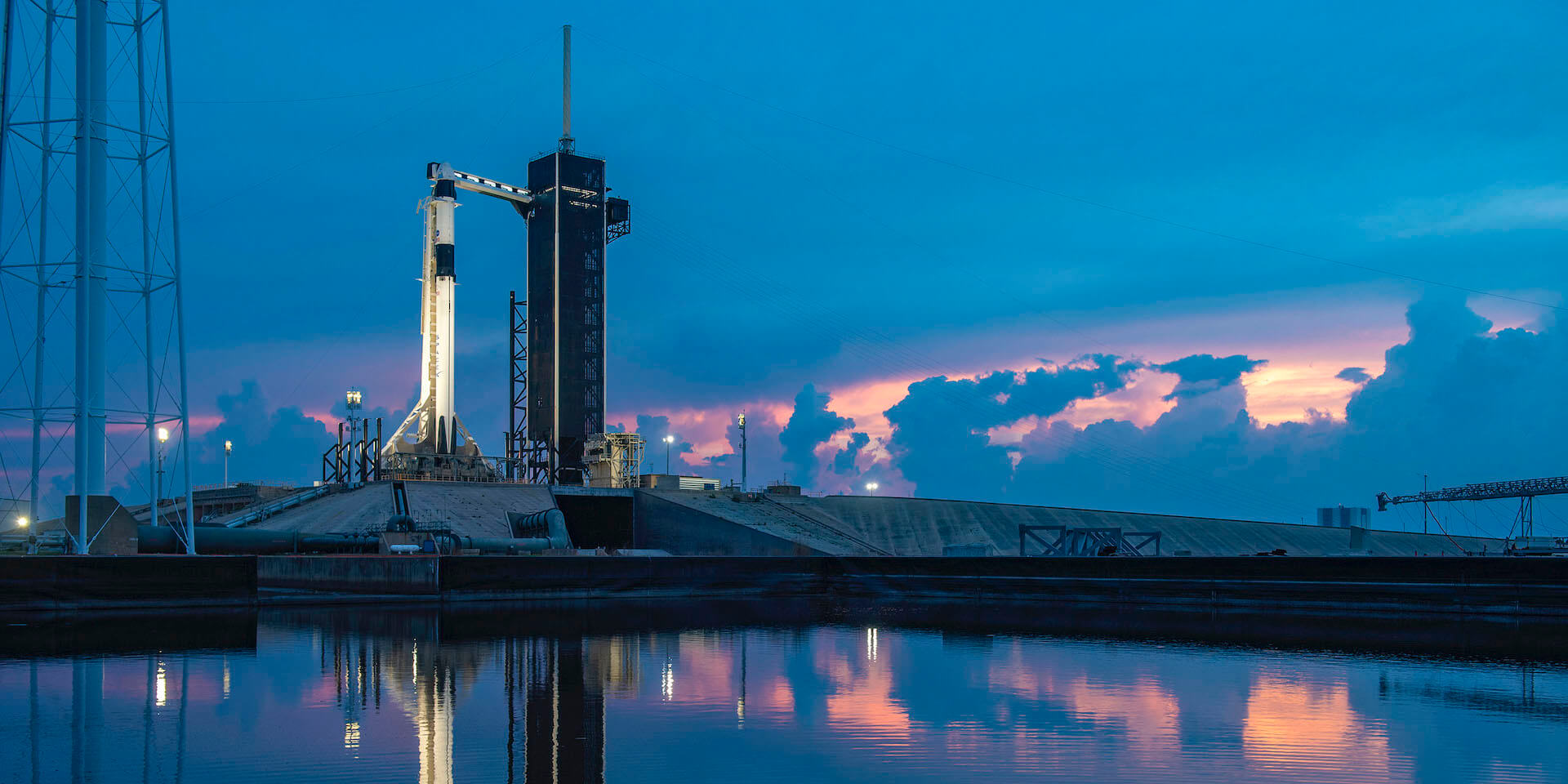
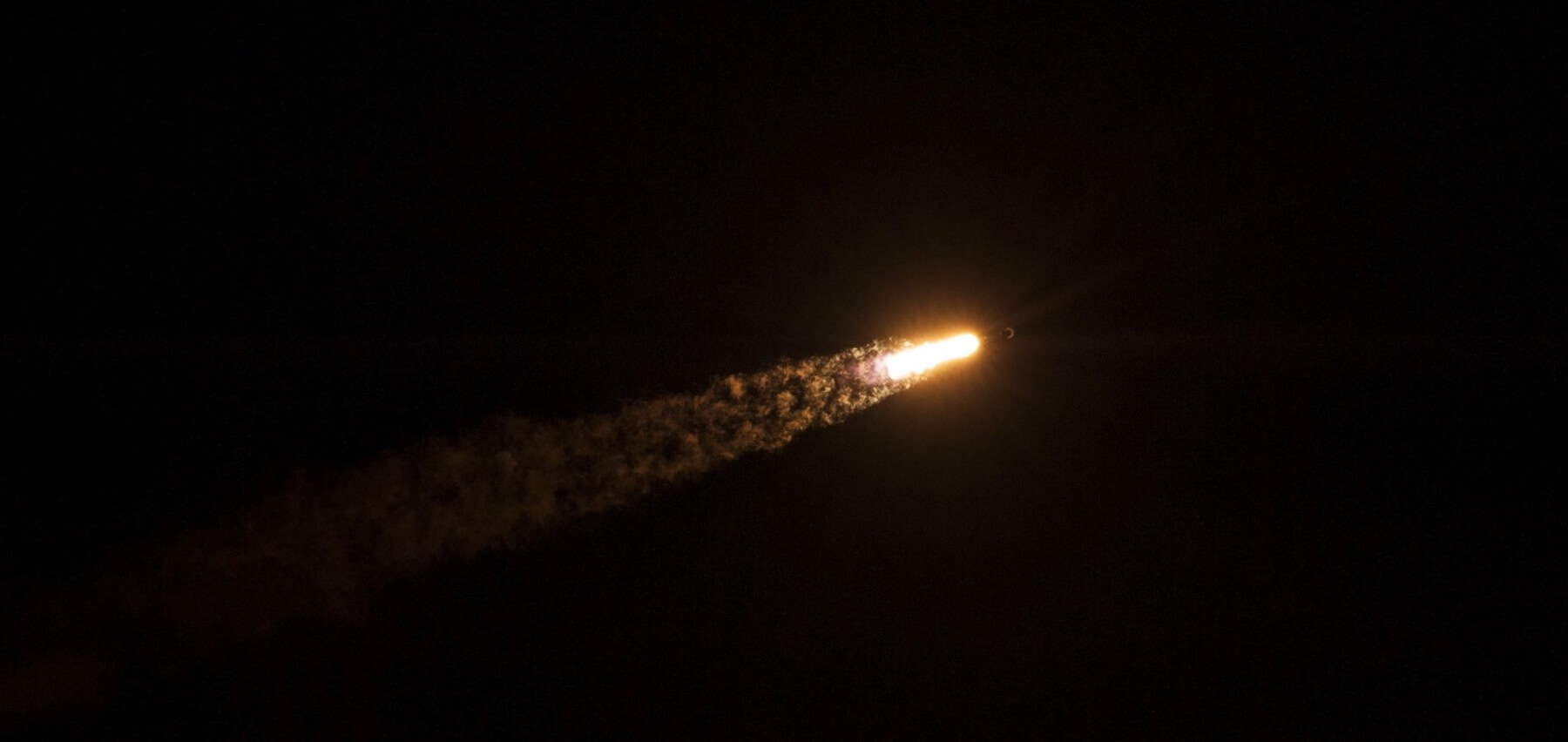
The astronauts named their specific vehicle Endeavour, harkening back to the Space Shuttle they’re all too familiar with. The moment the Falcon rocket took off from Florida with its two American passengers was a milestone achievement in the Dragon concept that SpaceX started in 2005.
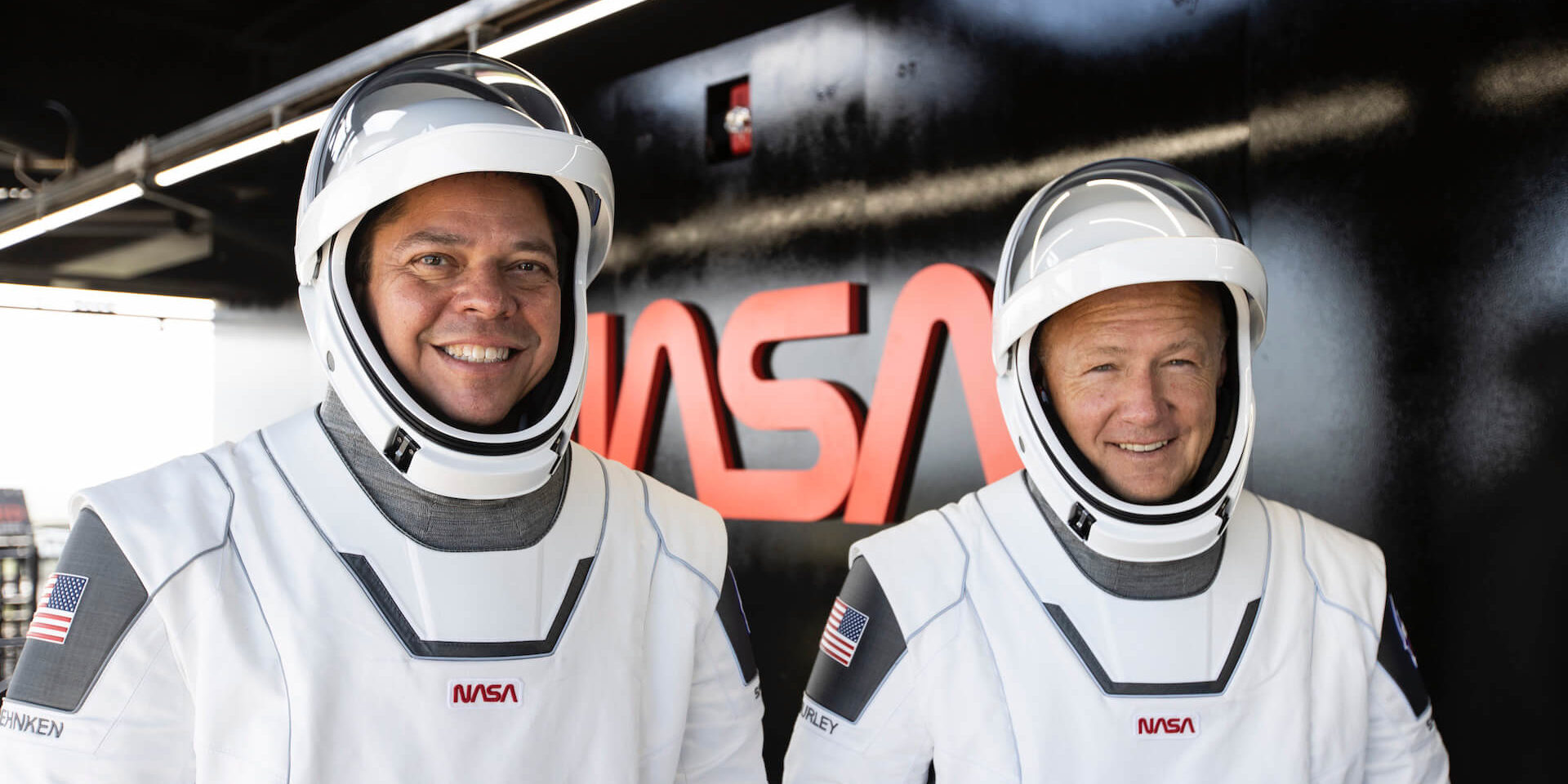
Sending Doug and Bob to the ISS via Crew Dragon.
Douglas Hurley and Robert Behnken on the way to Crew Dragon

Starting from Zero, Astronauts Reached Orbit Aboard Dragon in a Decade

The five year period after Dragon began saw significant development in Dragon’s underlying systems. Dragon’s first structural test flight was mid-2010, coinciding with the Falcon 9 rocket’s maiden voyage.

By December 2010, an operational test flight was launched with Dragon riding Falcon 9’s second flight.

In 2011, NASA began searching for private enterprise to continue missions to the ISS. NASA’s Space Shuttle program ceased in July 2011 with its last mission to the ISS for cargo delivery.

Not even two years after its initial operational test flight, Dragon saw its first goods transportation mission success as it docked with the ISS in 2012. Between then and now, Dragon has had many successful resupply missions to the ISS. Each time, the team behind Dragon learned a bit more about the capsule and how to further its mission to eventually carry humans to space again. All the while, this private commercial company fulfilled its resupply missions to the ISS, funding the human component too.

By early 2019, SpaceX began testing the Crew Dragon spacecraft, a variant of the Dragon 2 capsule. As opposed to the Cargo Dragon, the Crew Dragon capsule was designed to carry astronauts. This is the variant that would, today, carry both American astronauts into space. Technically, Endeavour is the fifth Crew Dragon, though the second to space. The first Crew Dragon to space made a similar mission to today’s landmark ISS docking, but without any crew aboard.

Paying Russia to Launch Americans

Since 2011, NASA has paid Russia to send American astronauts to the ISS.

How much does it cost to go to space? Between 2011 and 2020, it was $80 million per seat aboard Russian Soyuz capsules.

Through July of 2019, NASA spent $3.9 billion on transporting 70 American or partner astronauts to and from the ISS. That’s an average of $55.7 million across the 70 seats.

How much does it cost to go to space on Dragon with SpaceX? NASA estimates that the first six missions, including today’s, will cost $55 million per seat aboard the Crew Dragon. [1]

It’s very hard to know exactly what SpaceX has spent since its inception so that we might understand the cost to take our first two American astronauts to orbit since 2011. This is because SpaceX is a private company—we don’t have public data to analyze.

With that limitation in mind, let’s take a look at the total funding and earned contracts SpaceX has received.

How Much Does It Cost to Go to Space With SpaceX?

The closest we can get to understanding the total cost of sending astronauts Douglas Hurley and Robert Behnken to orbit in this mission is to total the known funding SpaceX has received for related work. This is from outside investment funding, personal funding from Musk, and delivered contracts from NASA.

There are some issues with this approach.

For one, SpaceX does much more than send astronauts to orbit.

The company also has contracts with the US Air Force, though some have not been completed, and others are more opaque.

SpaceX’s core business has been in sending humans and cargo to orbit or the ISS, so it makes sense to focus on outside funding to further that mission as well as known NASA contracts. While their recent delivery of a network of satellites designed to provide internet at a low cost caught a lot of attention, SpaceX’s primary revenue source is contracted deliveries to orbit and the ISS.

Let’s work through the funding to get an idea of how to answer: how much does it cost to go to space?

Elon Musk’s Personal Funding of SpaceX at its Inception

Most estimates put Elon Musk’s personal investment into founding SpaceX in 2002 at about $100 million. By 2008, SpaceX accepted $20 million in outside investment.

NASA was searching for private firms to be involved with human spaceflight in 2011. Funding awards were available to private companies that could help make that future a reality.

In the second round of commercial crew development funding awards, SpaceX earned $75 million to develop an integrated launch escape system for the Dragon capsule to improve human safety.

By 2012, estimates put Musk’s personal investment total at $100 million with another $100 million from outside investment. Estimates put the first decade of operational costs at about $1 billion. The difference, about $800 million, was from revenue on long-term launch and development contracts.

NASA’s Growth as a Source of Revenue for SpaceX

In August of 2012, SpaceX won an award worth $440 million from NASA. The award was intended to provide further funding for development and testing of the Dragon 2 spacecraft, with the Crew Dragon variant providing a method to take humans to the ISS once again.

By 2015, SpaceX raised additional outside funding in the amount of $1 billion. In 2017, another $350 million in outside funding was raised.

Later, SpaceX was awarded with another $2.6 billion worth of funding to certify the Dragon capsule for crewed flight by 2017.

Across 2019, SpaceX had multiple funding rounds with a total value of $1.33 billion. Early 2020 has already seen another $250 million in outside funding.

The Cost to Send SpaceX’s Dragon Capsule to Orbit with Two Astronauts

We can total Musk’s personal investment, outside funding, and NASA’s executed contracts to get an idea of how much money has gone into SpaceX over the last 18 years.

It’ll help us answer how much it costs to go to space in context of the entire SpaceX project from a scratch start to ISS docking.

This ignores some of the other, generally minor, funding sources SpaceX has received for more discrete work like USAF propulsion development. These are the funds that have been more focused on achieving the core mission of today’s flight, sending two American astronauts to the ISS.

To be clear: these funds have provided much more than to carry our first two astronauts on a private commercial vessel to the ISS.

They also represent the expenditures necessary to complete many resupply missions and progress towards future missions not yet completed. This is merely a snapshot in time of total funding SpaceX has received prior to a successful ISS docking mission with Dragon and crew.

DateAmount (USD, Millions)Source
2002100Elon Musk, Personal Funding
200820Outside Funding
201175NASA Award
201280Outside Funding
2012440NASA Award
20151000Outside Funding
2017350Outside Funding
20172600NASA Award
20191333Outside Funding
2020250Outside Funding
6,248Total Funding

SpaceX has most of the funds related to space logistics allotted to the company since its 2002 inception to reach today’s goal.

How much does it cost to go to space from scratch (and build an entire cargo network along the way)? $6.25 billion.

That may seem expensive if viewed as a bill to send these two astronauts, but remember that it’s the entire development and infrastructure it took to reach this point.

SpaceX will continue to provide crewed service and cargo service to the ISS, and much more, into the future.

The per-seat cost will amortize over time, drastically dropping with each successful mission.

NASA’s own estimates for the first six missions of Crew Dragon ring in at $55 million per seat.

This is the discrete cost NASA estimates for the Crew Dragon service. SpaceX has been able to obfuscate much of the development cost of Crew Dragon with its successful cargo missions as so much of the underlying systems are shared.

Space and Private Commercial Efficiency

I wrote an article a few years ago with a central theme of identifying the Apollo Program cost. That article identified the total cost, inflation-adjusted to 2020, at about $194 billion. While that crushes our $6.25 billion SpaceX mission cost for today, that was also a much loftier goal: humans on the moon. But, what about the first Apollo mission with a successful trip to orbit?

While Freedom 7 was the first American mission successfully to space with Alan Shephard onboard, Apollo 7 was the first Apollo mission to space. This mission was in 1968 and NASA began appropriating funds for the Apollo Program in 1960. Through 1968, NASA appropriated $14,105,420 for the Apollo missions.

How much did it cost to go to space in 1968 for the US? About $108 billion in costs for the first Apollo mission successfully in orbit with humans aboard, inflation-adjusted to 2020. [4]

SpaceX’s mission goes far beyond the ISS and orbit, eventually onto Mars. It’s not unlike NASA’s grandiose mission beyond Apollo 7.

Congressional testimony in 2017 discussed funding related topics for SpaceX and NASA. The estimate for the total development cost of Falcon 1 and Falcon 9 rockets was $390 million. This estimate was independently verified. Prior to this development, NASA estimated it’d cost $4 billion to develop a rocket system like the Falcon 9 using their traditional methods. That’s approximately ten times SpaceX’s audited cost.

Will SpaceX be our Spacefaring Future?

As technological improvements continue to drive down the price of our phones, tablets, and computers, it does the same for rocket launch systems. SpaceX’s major innovations in rocket recovery have allowed it to drastically cut transportation costs. If estimates turn out to be accurate, NASA should reduce their per-seat cost for sending astronauts to the ISS by nearly half versus paying for Russian Soyuz seats.

There’s one other wild thing I noticed while watching today’s launch to orbit aboard SpaceX’s Dragon Capsule. The two astronauts only had one direct action button they could press: an emergency scrub button.

SpaceX has made launching humans to orbit an automated, algorithmic process controlled by computers. Let’s hope this “autopilot” to space creates safer launches and in turn, more efficient ones.

Douglas Hurley and Robert Behnken opened up new doors for humans to explore the unknown, and they’ve done so by being as separated from the process as possible.

What was the cost to send two astronauts on a SpaceX rocket to orbit again?

FOOTNOTES

  1. NASA’s Office of Inspector General, 2019 report:
    https://oig.nasa.gov/docs/IG-20-005.pdf
  2. SpaceX, “Funding”:
    via Wikipedia
  3. Elon Musk’s Best Investments:
    via Investopedia
  4. NASA Budget Appropriations:
    via NASA History
  5. Imagery sourced from SpaceX
    SpaceX creative commons Flickr
Space Exploration Benefits and Its Future (NASA to SpaceX)

My father had his 60th birthday recently. Every so often I hear a story from him about the benefits of space exploration. He worries about how “things have changed” in the US.

He likes to distill the “things” to emotions like hope, faith, and exceptionalism.

It’s innocence that has been lost.

I always ask for anecdotes.

How have we “lost our way”?

Were the Moon Missions Worth the Cost?

The meandering explanation leads to the Space Program. The story goes that the Apollo Program was the apex of space exploration.

That losing the momentum of chasing a dream after shattering the need resulted in a slow-growing lethargy.

We underappreciate space exploration benefits and what the Apollo Program did for the US.

Now, don’t get me wrong. My father loves America. He’s a veteran, he’s worked hard to bring the American Dream to my family his entire life. I don’t know if he’s right about how “things have changed”. Perhaps it’s just with the benefit of time that we look back on history with rose-colored glasses.

Nostalgia is a cloudy set of specs.

Still, I can’t help but think of Norman Rockwell whenever the tale is spun. The family sits around the bubble-television watching on tenterhooks as the latest NASA mission is detailed. I can almost see my father there with a cowboy hat and a red wagon.

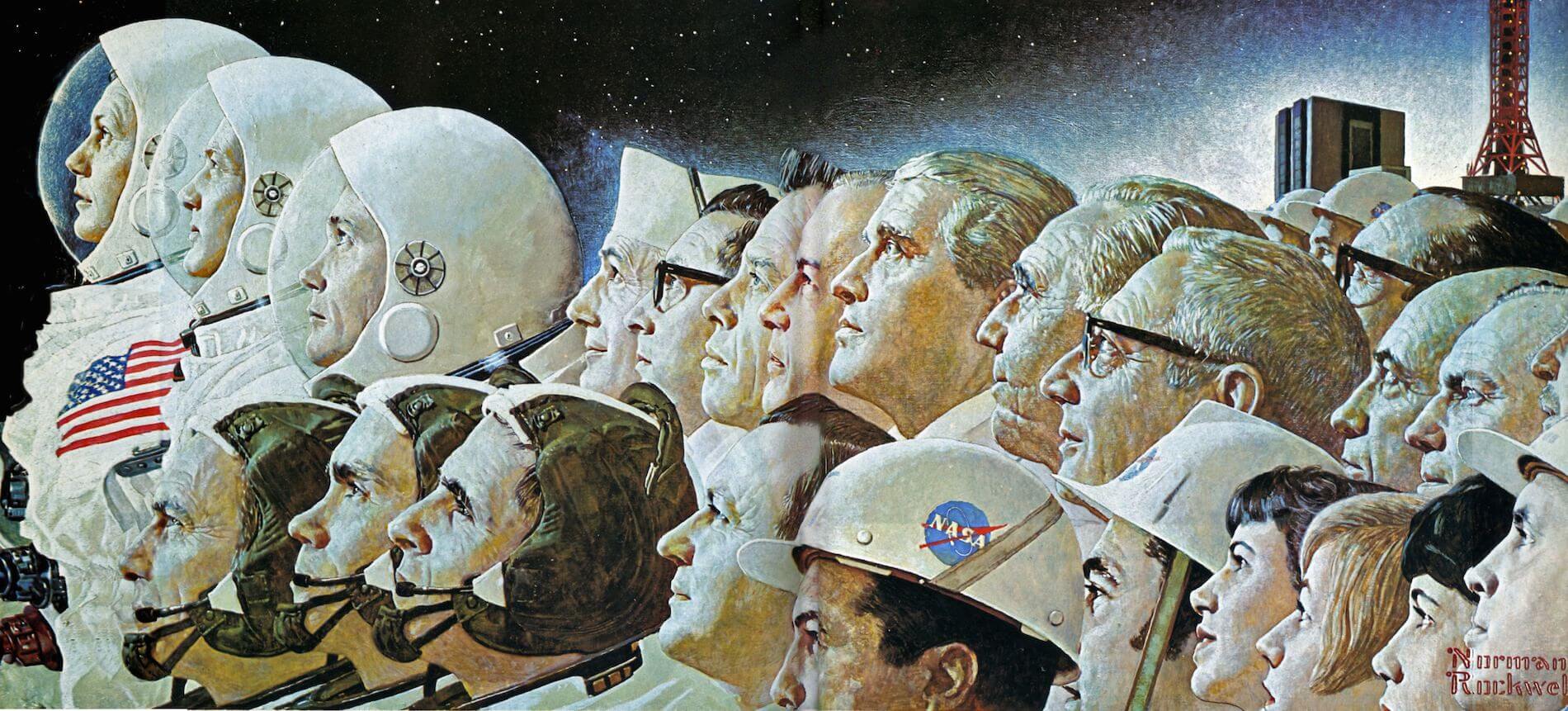
Apollo Space Program 1969 Norman Rockwell Art
“From the Earth to the Moon” by Norman Rockwell, 1969.

This thought of “innocence lost in America” isn’t unique to my dad. My uncles and aunts love to chime in with agreement when they’re around. I can nearly hear someone holding back a “kids these days” comment. My family wasn’t the first to think of this, either. In fact, “America lost its innocence”, verges on repetitive trope. I think it’s a loss of vision, a loss of priority.


Is the US Spending Enough on NASA’s Space Exploration?

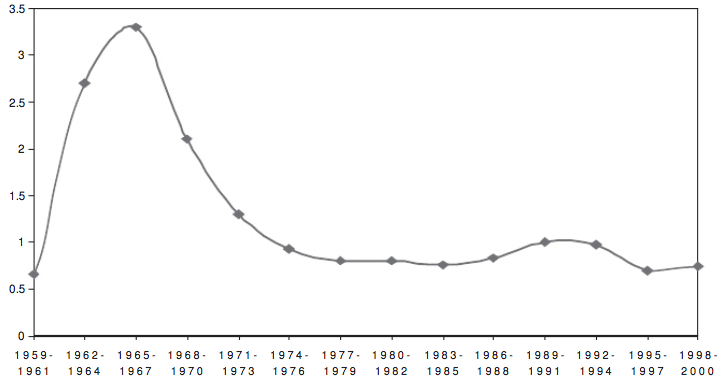
Perhaps there’s an argument to be had with the benefits of space exploration. The U.S. isn’t spending like it used to. In the age of the Apollo Program, NASA’s portion of the federal budget hovered near 3% in some years.

The Apollo Program cost was outweighed by its tremendous benefits.

On average, NASA has cost about 1% of the federal budget. Space exploration, as a subset of NASA’s funding, is only a fraction of the U.S. federal budget.

Chart of NASA Budget as Percent of Federal Budget
NASA budget as a percentage of the federal budget

NASA funding is trending down. The 2015 budget request is for $17.5B, a bit less than 2014. It represents about 0.45% of the federal budget. $4B of that is dedicated to human space exploration. NASA is consistently underfunded, despite the fact that the public overestimates NASA’s cost. A 2007 study found that the average American thinks that we spend about 24% of our federal budget on NASA or about 48x reality.

NASA’s budget reality has been diverging from public perception for decades. It’s no wonder we have science celebrities panhandling to the public over half of a penny.

Neil deGrasse Tyson said it best with “We Stopped Dreaming”

Neil deGrasse Tyson delivers a powerful speech about a mindset in “We Stopped Dreaming”. A mindset where the average American would “think about tomorrow”. The idea that we, as a people, would look forward to technology advances; the possibilities unlocked from research and development.

Humans were galvanized to dream about the future. A future in which we have invested for the long term. This isn’t a future guided by quarterly reports or election cycles. It’s one in which we are guided by improving the human condition.

When the guiding light of exceptional goals is replaced with maintenance and status quo, dreams are shattered. The engineers, scientists, technologists, and mathematicians of tomorrow need to be led by the vision of exceptional goals. Without them, scientific progress stalls. Without a dream to pursue, we mortgage our future.

Benefits of Space Exploration

The Apollo Program yielded an incredible return on investment. The U.S. had real, tangible gains from the investments made in the project. The program was a major stepping stone into future beyond Earth projects.

Hardware developed during the Apollo era was used in Skylab, our first space station. Skylab produced valuable results through its solar observatory and experiments performed onboard. Skylab is just one of the spacecraft that would not have been feasible without knowledge from the lunar program.

In 1975 a space docking with the Soyuz spacecraft occurred. It was a major step toward rebuilding relations between the U.S. and the U.S.S.R.. It played a key role in the end of the Cold War. A variety of breakthroughs in early breast cancer detection occurred. The accelerated development of integrated circuits was made possible through space exploration research. Several major spin-offs were the product of the lunar program. There are real benefits to space exploration.

Tyson makes a point in his speech. Perhaps the one in which this entire story is based upon. He suggests that having a cultural mindset where the people are internally invested in the future enables those very people to bring the future to the present. Perhaps that’s what my father means when he says “things have changed”.

Maybe there’s solace in a place we wouldn’t have expected it. Traditionally, the government has been the only source with the authority and resources to breach space. That might be changing. Can private entities with commercial needs exist within the vacuum of space?


3…2…1

SpaceX the Future of Space Exploration?
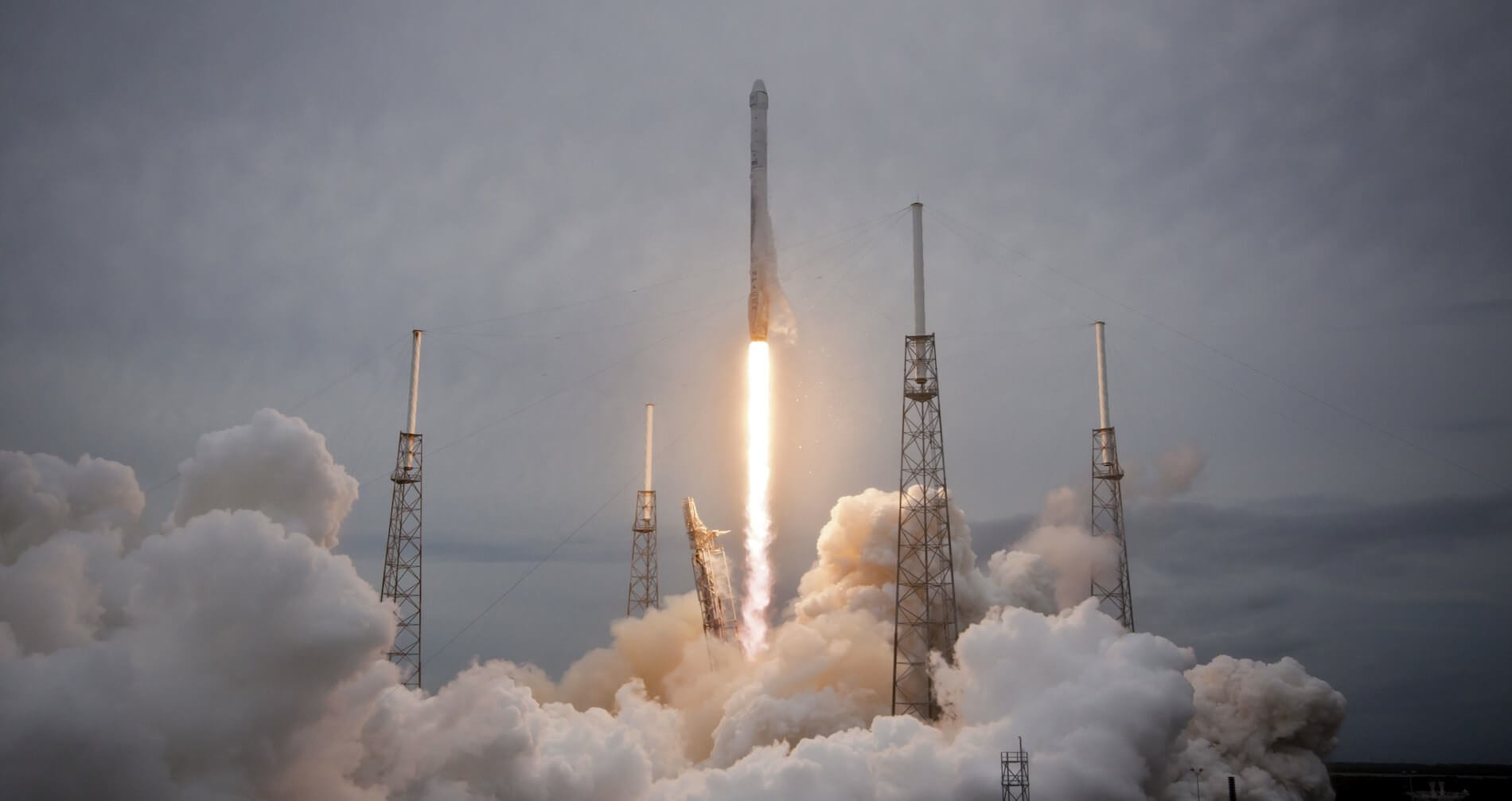
SpaceX’s Falcon 9 rocket and Dragon spacecraft

I found myself anxiously waiting in front of a screen for a launch countdown. I’d say I’m a fan of space exploration, but I’m not the type to sit around watching rocket launches. I regret not having seen a Space Shuttle launch before the program ended, though. However, this felt like something entirely different. The Internet was awash in excitement for SpaceX’s Dragon spacecraft launch.

It wasn’t just the geeks and nerds, either.

Mainstream media had picked up the story and Elon Musk had become a celebrity. Musk founded SpaceX on the basis, eventually, Earth will no longer support our species. It’s a difficult concept to internalize as it’s an event far in the future, but it is inevitable. At some point, someone has to make the decision to spread humanity beyond Earth or our species dies with it. Across the globe, regular people were excited about space exploration again.

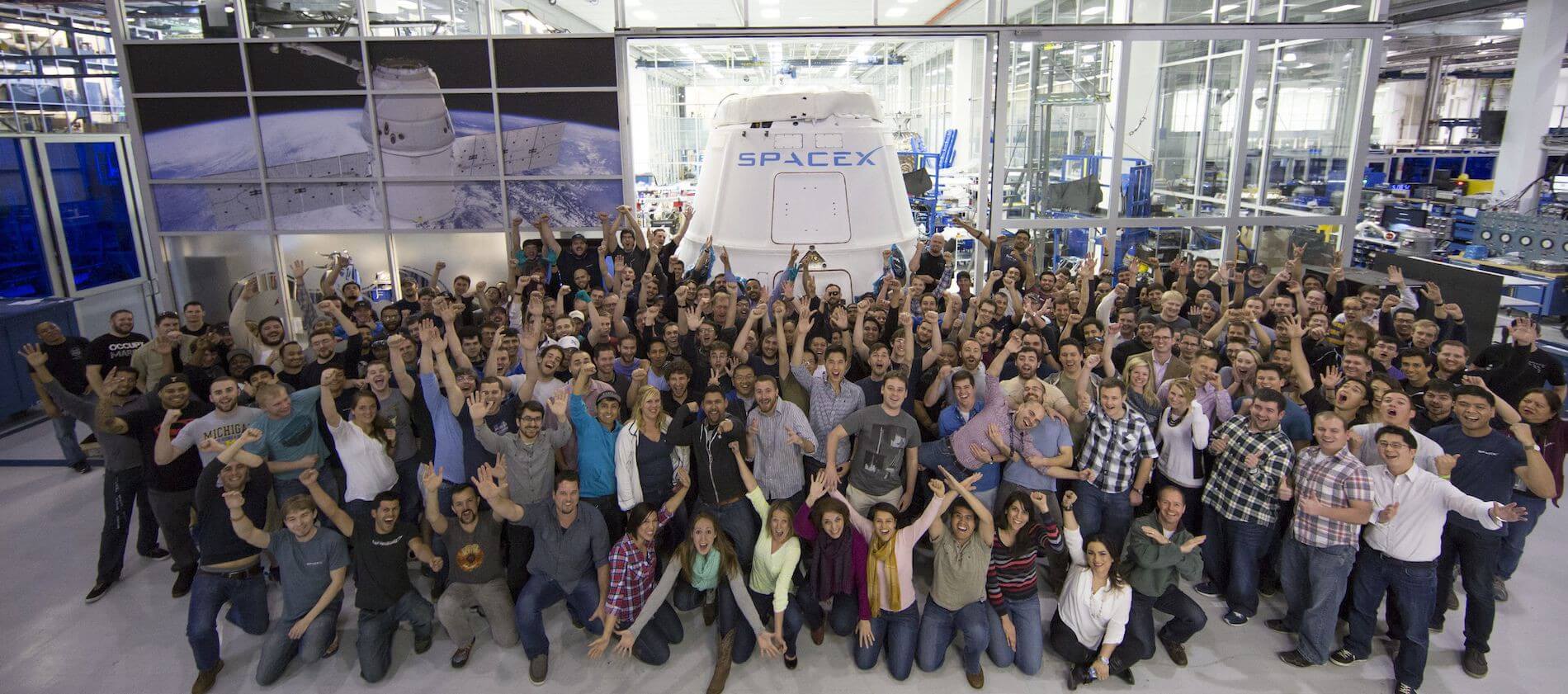
My screen had less of a bubble shape to it than did my father’s during the first lunar missions, but I bet the feelings were similar. I watched the ground crew at SpaceX as Dragon completed its mission. You could see what Tyson had described in his video. I was inspired. The internalized goals, desire, and faith in the dream their project created were written all over the faces of the young talent at SpaceX.

These engineers, scientists, technologists, and mathematicians were bursting with genuine excitement.

They had a cause and a dream.

Space Exploration Excitement at SpaceX Dragon Launch
SpaceX’s Dragon leaving HQ

Just like them, I felt a rush of excitement. It was excitement for technology, exploration; for moving the goal post further. NASA intends to go back to the Moon. Mars seems a little less impossible. Hell, Opportunity Rover completed a marathon:

It was excitement for the future.


The Future of Space Exploration

How will we move beyond the scope of the Apollo Program missions? SpaceX is doing a terrific job as a company, but to the general public, they’re little more than a goods transport service. A rocket-powered tractor-trailer. One which is primarily paid for by a publicly funded NASA.

As of 2020, SpaceX has raised the bar. They’ve answered how much does it cost to go to space with a successful crewed ISS docking.

Still, I’m not sure we have the right appreciation for the benefits of space exploration.

There will undoubtedly be more: a tractor-trailer that can support humans, one which can travel further into the solar system, a system by which to deliver a payload to Mars. Ultimately, private companies will rely upon public funding to reach uncharted territory because there’s little reason for other private money to participate. As public interest and funding fade, so goes the revenue source of dependent private companies.

If we haven’t made extending humanity beyond Earth a priority, one day, we’ll be forced off it. As much of a gift as Earth is, it will not last forever. If we can raise the desire to go out and explore — to stretch our boundaries — we may be ready for whichever event forces us off before it happens. If we can find that awe in space exploration again, we may avoid sitting on the Earthly-Titanic, scrambling for a lifeboat.

We can help by raising awareness of the benefits of space exploration: there are numerous NASA-supported inventions and advances already this year. We can help by telling our representatives that space exploration deserves at least a penny on the dollar. And we can help expressing interest in space exploration with friends and through social media: the excitement spreads.

It wasn’t a Saturn V or Shuttle launch, but I won’t forget watching the Dragon capsule’s first success. Humanity started down another possible avenue to expand among the stars. Not unlike my dad decades before, I sat by the screen watching and wondering in awe. All I needed was a cowboy hat and a red wagon.


This post published in the American Astronautical Society’s “Space Times” Magazine July/August 2015 issue.


This essay is a continuation of a post from 2009 detailing the Apollo space program cost. Give it a read if you liked this and consider sharing or commenting below!

All SpaceX photos courtesy their public domain gallery.

How Much Did the Apollo Program Cost (and Was It Worth It)?

Today I’m going to analyze the Apollo program budget. We’ll answer two questions. How much did Apollo cost? And was it worth it?

Apollo Program Cost

The short answer: Apollo cost roughly $25.4 billion, unadjusted. That is about $309 billion in today’s dollars.

That was the total cost to go to the Moon. It covered more than a decade of work and six successful landings. It employed some 409,000 people. Those jobs ran through NASA, through universities, and through contractors.

The rest of this post puts that number in context. I compare Apollo to other things the country has spent money on. Then I take up the harder question. What did we get for it?

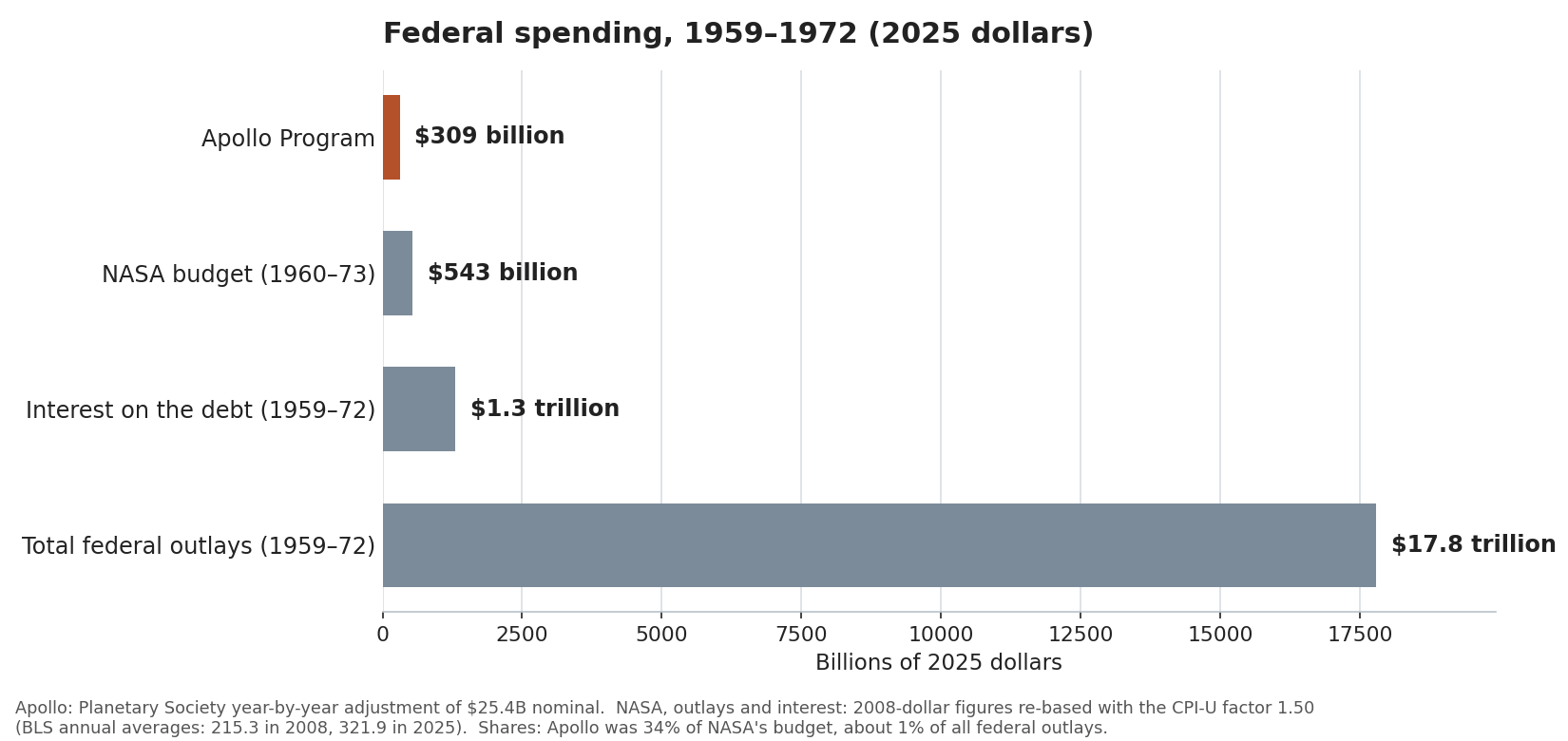
Total US Federal Outlays vs. Apollo Program (1959-1972)

How big was Apollo next to everything else the country spent in those years?

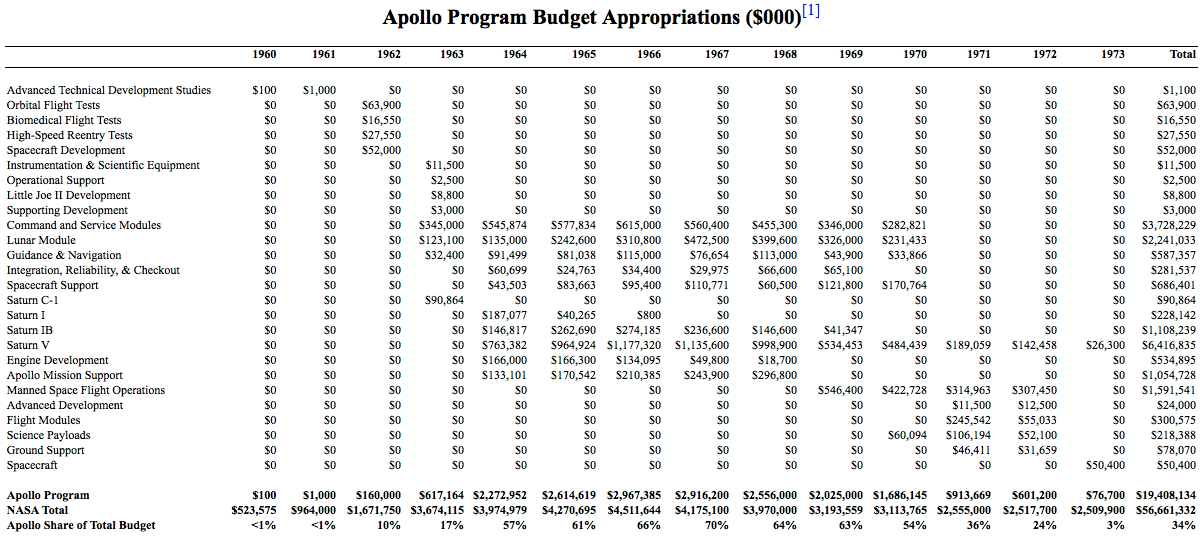
NASA Apollo Program Budget

NASA’s total budget from 1960 to 1973 was $56.6 billion. Those are the years with budget lines specific to Apollo. Apollo took $19.4 billion of that. That is 34% of NASA’s spending.

But that $19.4 billion is not the whole story. It counts only research and development, and it is about $800 million short of even that. The full cost adds the tracking network, the ground facilities, and the cost of running them. Those add $5.2 billion. Put it together and you get $25.4 billion. That is the number this post uses.

NASA Official Budget Appropriations, Apollo Program
NASA’s official Budget Appropriations during and for the Apollo Program, unadjusted, 1960-1973.

Put in 2025 dollars, NASA’s budget for the period was about $543 billion.

Federal outlays tell the bigger story. Outlays are what the country actually spent each year. From 1959 to 1972, total federal outlays were $1.9 trillion. That is about $17.8 trillion in 2025 dollars.

NASA was about 3% of that total. Apollo was a little over 1% of it.

One percent. That is the scale of the thing. The program that put people on the Moon cost about a penny of every federal dollar spent in those years.

Federal spending, 1959-1972, in 2025 dollars

Apollo Program Benefits

Apollo Program: Mission to the Moon

Before the comparisons, it helps to say what Apollo actually delivered. The history books cover the landings. The practical gains ran wider.

Much of the hardware from Apollo went into Skylab, America’s first space station. Skylab’s solar observatory and its experiments would not have existed without Apollo.

The 1975 docking with the Soviet Soyuz spacecraft was a step toward better relations with the USSR. It was one of the early moves that led, eventually, to the end of the Cold War.

The spinoffs reached everyday life. Here are a few:

  • Earlier detection of breast cancer
  • Faster development of integrated circuits
  • Freeze-dried foods
  • Simpler kidney dialysis
  • Insulation used in an Alaskan pipeline
  • Spacesuit textiles used in green building
  • And numerous more

Apollo cost taxpayers a significant amount of money. The benefits have been numerous. The research it sped up pushed the country to lead the 20th century in medicine, construction, and electronics.

Apollo Program vs Other Federal Projects

Now the comparisons. Each of these is a real thing the country spent real money on. Each is measured in the same dollars: 2025 dollars.

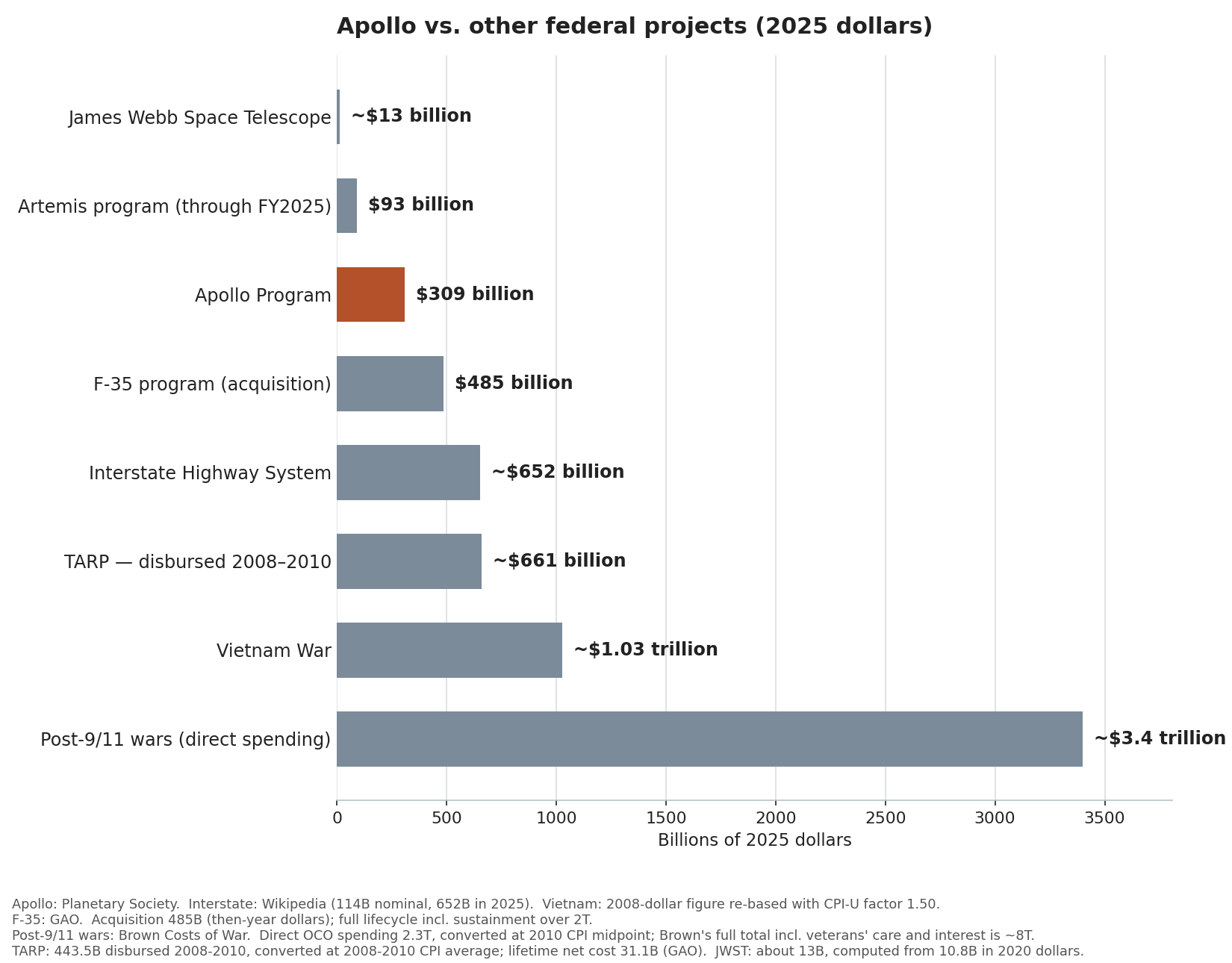
Apollo vs. other federal projects, in 2025 dollars

The Cost to Return to the Moon: Artemis

This is the natural comparison. Apollo went to the Moon. Artemis is going back. How do the costs compare?

NASA’s Artemis program has now flown. Artemis II carried four astronauts around the Moon in April 2026. It was the first crewed lunar flight since 1972. Artemis III is targeted for 2027. It will be a crewed test flight in Earth orbit. The first landing is now planned for Artemis IV in early 2028.

The return has not been cheap. NASA’s Inspector General projected about $93 billion in Artemis spending through fiscal 2025. In March 2026 NASA’s administrator said the public had invested over $100 billion. That is roughly a third of what Apollo cost. And no one has landed yet. Each SLS/Orion launch alone costs about $4.1 billion.

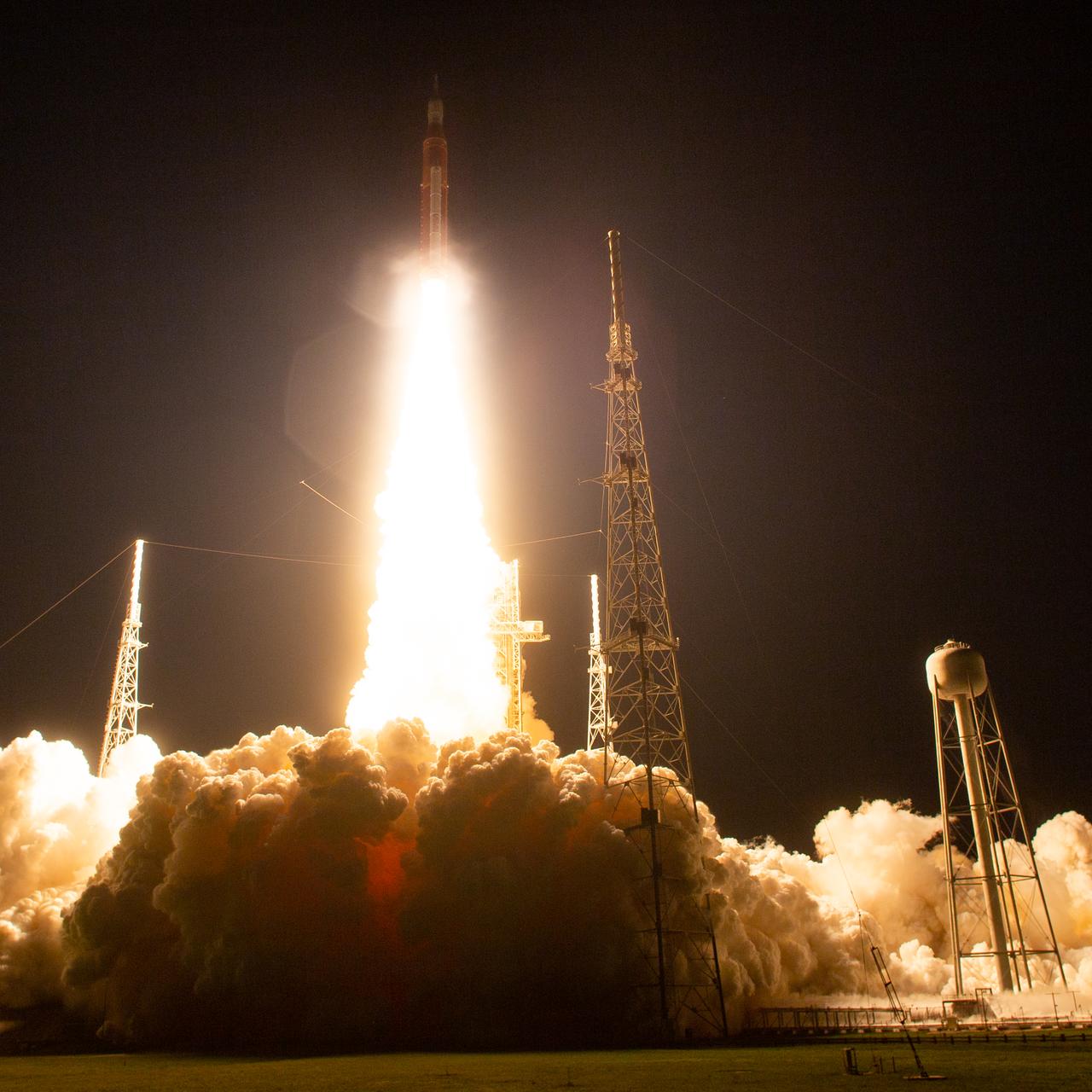
NASA's Space Launch System rocket launching Artemis I

Apollo put twelve people on the Moon for $309 billion. Artemis has spent about $93 billion and has not landed anyone. That is the honest score so far. The landing is still to come.

U.S. Interstate Highway System Cost & Benefit

The final cost of the Interstate Highway System to the federal government was $114 billion. Construction ran from 1956 to 1991. In 2025 dollars, that is about $652 billion. That is roughly twice Apollo.

Federal Interstate Highway System Cost

The Interstates gave the country tens of thousands of jobs over decades. They underpin much of the country’s economic system. Goods move across the country on them every day.

Could the country have built a more balanced system? Probably. Railroads carried America before the highways. Subsidies to highways left the rail system in a sorry state. Europe kept a mix of transport that works across long distances. The highway system was vital to how the U.S. developed. But a slightly more balanced build-out, highways alongside rail, could have left the country less car-dependent.

Vietnam War Cost & Benefit

The Vietnam War cost $111 billion from 1965 to 1975. In 2025 dollars, that is about $1.03 trillion. That is more than three Apollo programs.

It is hard to describe gains from Vietnam. America lost many brave souls in the conflict. More than 58,000 American service members died there. The country did gain military experience. That experience led to a more thorough victory in Desert Storm.

The war also changed the country at home. The voting age dropped from 21 to 18. The draft ended. An all-volunteer military took its place.

The F-35 Program

The F-22’s story is closed. Production ended in 2011, and only 187 were built. It flew its first combat missions in September 2014, over Syria. The program cost about $100 billion in 2025 dollars. That is about a third of Apollo. But the modern comparison is the F-35.

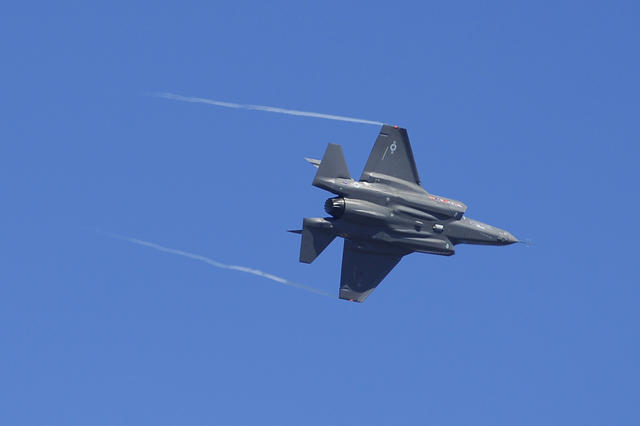
F-35 Lightning II in flight

The F-35 is the fighter the country actually bought in bulk. The Government Accountability Office puts the acquisition cost at $485 billion. That is about one and a half Apollo programs, just to buy the planes.

The full cost is larger. Sustainment will cost at least $1.58 trillion more. Together, acquisition and sustainment come to more than $2 trillion over the program’s 77-year life.

Two things to note. First, the acquisition figure is in then-year dollars, spread across decades. It is not a clean 2025-dollar number. Second, the F-35 is still being built and flown. Its final cost is not settled. Even so, the scale is clear. One fighter program costs more to buy than one and a half Moon programs, and several times that over its life.

There is value in the U.S. keeping its technological lead. The country is far ahead in conventional arms because of constant investment. I can only hope the day comes when that is no longer the concern. Climate change, starvation, and overpopulation are the larger foes.

The James Webb Space Telescope

Here is the comparison that surprised me most. The James Webb Space Telescope is the most ambitious science instrument ever launched. NASA puts its cost at $9.7 billion. That covers development and five years of operations. In 2025 dollars, that is about $13 billion. That is about 4% of Apollo.

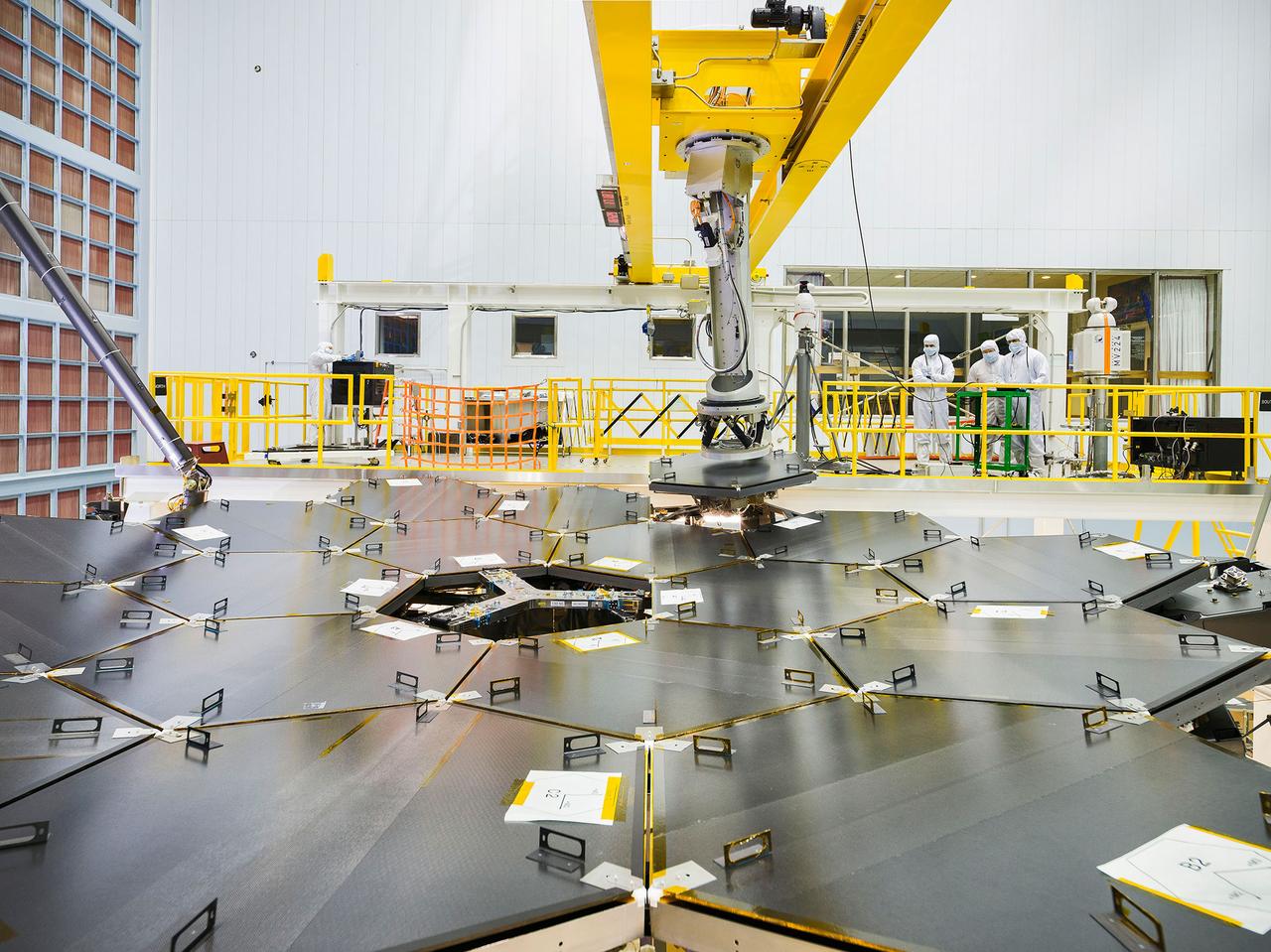
The James Webb Space Telescope primary mirror being assembled

Apollo was a program to put people on another world. Webb is a telescope. The comparison is not apples to apples. Most of Apollo’s cost was the human part: the rockets, the landers, the life support, bringing everyone home. Webb shows what a machine alone costs. Apollo shows what it costs to send people.

The 2008 Bailout: TARP

The Emergency Economic Stabilization Act of 2008 authorized the Treasury Secretary to spend up to $700 billion. The program it created was TARP. That stands for the Troubled Asset Relief Program.

TARP was not spending in the usual sense. It was investing. The government put taxpayer money into banks, automakers, and housing programs, and took assets in return. It deployed $443.5 billion. In 2025 dollars, that is about $660 billion. That is about twice the cost of Apollo.

The investments could have gone the other way. At the time, nobody knew the banks would pay the money back. In the end, they did. TARP closed in September 2023. The bank investments returned a $15.3 billion profit. The part that lost money was housing assistance and the auto bailout. The program’s lifetime net cost was $31.1 billion. Against the $700 billion authorized, that is about 4 cents on the dollar.

So the comparison cuts two ways. TARP deployed about twice what Apollo cost. But it got most of the money back. Apollo spent its money and kept the Moon landings.

Could the country have survived the Great Recession without it? We cannot rewind time and find out. Economists generally agree the Great Depression got as bad as it did because the government took a hands-off approach. This time the government took a hands-on approach. A variety of acts were passed to steady a weakening economy.

The Wars in Iraq and Afghanistan

The Congressional Budget Office estimated in 2007 that the wars in Iraq and Afghanistan would cost $2.4 trillion by 2017. That estimate is old now. The direct spending came to about $2.3 trillion. That is the Overseas Contingency Operations budget, the money spent directly on the post-9/11 wars. In 2025 dollars, that is about $3.4 trillion. It is about eleven Apollo programs.

Iraq and Afghanistan War Costs

The fuller accounting is larger. Brown University’s Costs of War project puts the total cost of the post-9/11 wars at about $8 trillion. That adds veterans’ care, interest on the borrowed money, homeland security, and increases to the Pentagon’s base budget. The $8 trillion is the full bill, not just the fighting. It is worth knowing. But the direct spending is the cleaner comparison.

The wars are over. The U.S. withdrew from Afghanistan in August 2021. It ended the Iraq combat mission that December.

The human cost is the part that matters. More than 200,000 civilians died in Iraq. About 7,000 American service members were killed across both wars. There is a grimmer number. More than 30,000 post-9/11 service members and veterans have since died by suicide.

Economically, the country gained greater access to natural resources in the region. Oil, mainly. It may have slowed radical anti-Americanism in some places. Many would argue the wars created more of it. The country is divided on whether these wars should have been fought at all. I will stick to the facts.

Interest on U.S. Debt Cost

The total interest paid on the federal debt during the Apollo years was $140.3 billion. That is about $1.3 trillion in 2025 dollars. It was more than four times the cost of Apollo itself.

And the number has only grown. In fiscal 2026 the U.S. paid $1.05 trillion in net interest on the debt. That is more than three Apollo programs in a single year.

Taxpayers are funding horrendous amounts of interest on the debt of the current generation and its ancestors. While the country needs to get its debt under control, skipping solid investments that pay dividends is foolhardy.

Was the Apollo Program Worth It?

Apollo cost about 1% of federal spending in its years. It cost less than the Interstate Highway System. Less than Vietnam. Far less than the wars in Iraq and Afghanistan. Far less than one year of interest on the debt today.

The fighter program replacing the F-22 costs about one and a half Apollos just to buy, and more than $2 trillion over its life. Artemis, the return to the Moon, has spent about a third of Apollo’s cost and has not landed anyone yet. Apollo looks cheap next to almost everything else on this list.

So was it worth it? The jobs. The technology. The pride. The hope it gave a generation. These are hard to price. But the price itself is easy to judge. Apollo was one of the cheapest great things this country has ever done.

Why are we so worried about pushing further? Any future Moon landing is a stepping-stone to Mars and beyond. The U.S. is working with private industry to make spaceflight cheaper.

Do you really believe humankind will survive on Earth forever?


Part Two, this analysis continues in:
Space Exploration Benefits and Its Future (NASA to SpaceX).


Apollo Program Cost FAQ

How much did the Apollo Program cost in today’s dollars?

The Apollo Program cost roughly $25.4 billion, unadjusted. In 2025 dollars, that is about $309 billion.

How much did Apollo 11 cost?

Apollo 11 itself cost about $355 million in 1969 dollars. That is roughly $2.5 billion in 2025 dollars. That was one mission. The whole Apollo program cost $25.4 billion unadjusted. That covers all six landings plus preparation. In 2025 dollars, that is about $309 billion.

How much did the moon landing cost?

It depends what you count. The landing itself was Apollo 11, which cost about $355 million in 1969 dollars. The program that got it there had cost far more by then: NASA’s Apollo appropriations through 1969 totaled $16.1 billion. The total cost of the Apollo Program up through about 1974 was $25.4 billion. Both amounts are unadjusted for inflation.

How much has Artemis cost so far?

About $93 billion through fiscal 2025, per NASA’s Inspector General. In March 2026 NASA’s administrator said the public had invested over $100 billion.